


Physical Education
Head of Department: Mr T MUDONHI
There are currently eight Physical Education (PE) teachers in the department, all of whom are committed, enthusiastic and dedicated to providing all students with the opportunity to experience a suitably broad and balanced PE curriculum. Students are given the chance to gain enjoyment and physical well-being out of sporting activity but are also presented with the opportunity to specialise and develop through our varied co-curricular sports programme.
We are proud to say that Claremont High School Academy is the first school in the borough to be awarded the afPE (Association for Physical Education) Quality Mark for Physical Education and School Sport.
Facilities
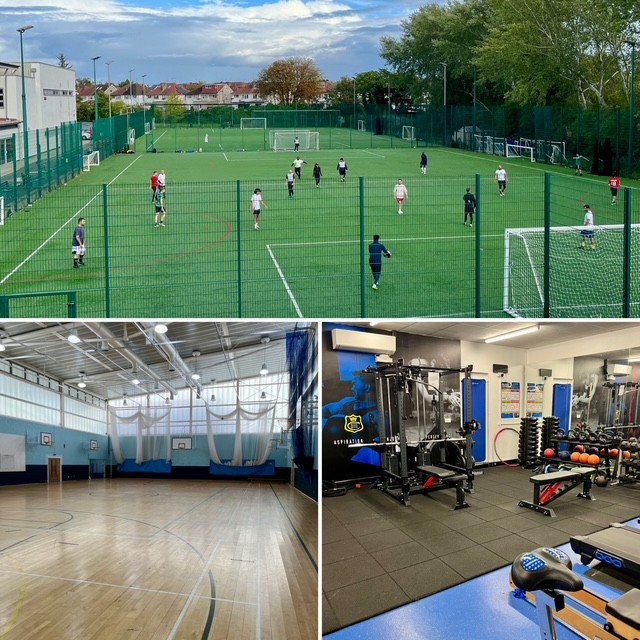
At Claremont we are fortunate to have outstanding sports facilities which currently include:
- 2 7-a-side floodlit 3G astroturf football pitches
- 2 outdoor floodlit astroturf cricket nets
- 2 full size outdoor netball courts
- Gymnasium
- Multi activity sports hall equipped for basketball, badminton, 5-a-side, cricket nets and netball
- Fully equipped weights room
- Outdoor table tennis tables and basketball courts
Curriculum Intent
At Claremont, our vision for Physical Education is to inspire every student to develop a lifelong passion for physical activity, embrace challenges and achieve their personal best. We believe PE should go beyond developing sporting ability; it should empower young people with the confidence, knowledge, resilience and character to succeed both within and beyond sport.
Our Key Stage 3 curriculum is ambitious, broad and inclusive, providing every student with opportunities to experience success, discover their potential and develop a positive relationship with physical activity. Through a thematic approach, students develop fundamental movement skills, tactical awareness and physical competence, while learning to apply and transfer their knowledge across a wide range of sporting activities and challenging situations.
We aspire to develop confident performers, independent thinkers and responsible leaders. Through individual and team activities, students are encouraged to think critically, make informed decisions, solve problems and demonstrate creativity. Opportunities to lead, coach, officiate and collaborate help students develop communication, teamwork, resilience, respect and sportsmanship, supporting their personal development and preparing them for challenges beyond the classroom.
Our curriculum promotes high expectations and celebrates progress, recognising that success in PE is not solely measured by sporting performance, but also by personal improvement, effort, understanding and the ability to apply learning. Through consistent assessment, meaningful feedback and opportunities for reflection, we encourage students to take ownership of their development, recognise their strengths and strive for continuous improvement.
Underpinning our curriculum is a commitment to physical literacy, wellbeing and lifelong participation. Students develop an understanding of the importance of physical fitness, healthy lifestyles and the positive impact of regular physical activity on physical, mental and social wellbeing.
Ultimately, our ambition is for every student to leave Key Stage 3 not only more physically competent, but also confident, resilient, motivated and equipped with the skills, knowledge and values to lead healthy, active and fulfilling lives.
Key Stage 3
At Claremont, Key Stage 3 Physical Education provides a broad, balanced and inclusive curriculum designed to develop students' physical competence, confidence and understanding across a wide range of sporting activities.
Our curriculum follows a thematic approach, allowing students to develop and apply key skills, tactics, strategies and knowledge across different sports and physical activities. Through themes such as movement, teamwork, attacking and defending, students are encouraged to make connections between activities, solve problems and develop their decision-making skills.
Students are given opportunities to work independently, collaboratively and competitively, developing important personal and social skills such as communication, leadership, resilience, fair play and responsibility. They also experience different roles, including coaching, officiating and evaluating performance.
Assessment is embedded throughout the curriculum, using a consistent, skills-based approach that recognises students' development over time. Students are assessed against clear learning outcomes, focusing on their ability to demonstrate and apply skills, make effective tactical decisions, and transfer their learning into competitive and challenging situations. Teachers use ongoing formative assessment, observation, questioning and practical performance tasks to identify progress, provide feedback and inform future learning.
Through this approach, we aim to develop physically literate, confident and reflective learners who understand the importance of lifelong participation in physical activity and sport.
Click the link to view the KS3 PE Curriculum Plan for the whole academic year.
AssessmeNt:
Pupils are assessed after each unit of work for each sport covered. This is based on assessment criteria relating to physical and technical abilities, as well as the knowledge, understanding and application of rules and tactics.
Key Stage 4
Core PE
In Years 10 and 11, we provide pupils with a broad and varied curriculum. The range of activities, along with the reasons for offering them, are outlined below.
Year 10 Core PE Curriculum Plan
Year 11 Core PE Curriculum Plan
GCSE PE
Pupils follow the OCR syllabus covering topics such as the physiology of the human body, sport psychology, as well as exercise and training methods. Pupils are assessed in 3 practical sports (30%), sit two theory written exams (60%) and must produce a piece of written controlled assessment (10%). Click below to view an overview programme of study for Year 10 and Year 11.
Assessment:
Regular in-class assessment in both theory and practical will provide detailed information regarding pupil progress throughout the course. Formal assessment takes place at the end of Year 11, with pupils sitting two exam papers in May:
- Paper 1: Fitness and Body Systems
- Paper 2: Health and Performance
Pupils will also be assessed in three practical sports by an external moderator from the exam board (usually in April).
For further information from the exam board regarding the new specification, please click here.
Key Stage 5
A LEVEL PE
Studying A Level PE will give you a fascinating insight into the amazing world of sports performance. Pupils follow the AQA syllabus covering topics such as advanced anatomy and physiology, biomechanics, sport psychology and the history of sport. More information regarding the course can be found here, and on the 6th Form area of the school website.
Enrichment
Alongside our extensive co-curricular sports programme, there are opportunities to represent the school in regional and national competitions in a variety of sports such as football, basketball, netball, rugby, athletics, badminton, cricket and rounders.
There are annual residential sports tours in netball (UK based) and football (European based) as well as regular trips to more local sports facilities, such as Wembley Stadium.
Next Steps
A Level Physical Education provides an excellent foundation for students interested in pursuing higher education and careers in sport, health, science, education and business.
Combining scientific theory, psychological understanding and practical performance, the course develops valuable skills in critical thinking, data analysis, problem-solving, leadership and evaluating human performance.
Complementary A Level Subjects
A Level PE combines particularly well with:
-
Biology – Anatomy, physiology, biomechanics and human performance.
-
Psychology – Motivation, behaviour, learning and mental preparation.
-
Mathematics – Data analysis, statistics and performance measurement.
-
Chemistry – Energy systems, metabolism and exercise physiology.
-
Business Studies / Economics – Sports management, finance, marketing and the sports industry.
-
Computer Science – Sports technology, data analytics and performance analysis.
-
Sociology – Social influences, participation, inequality and the role of sport in society.
University and Higher Education Pathways
A Level PE supports progression to a wide range of degree courses, including:
-
Sport and Exercise Science
-
Sports Psychology
-
Sports Coaching and Performance
-
Strength and Conditioning
-
Sports Management and Business
-
Physical Education and Teaching
-
Physiotherapy and Sports Rehabilitation
-
Sport and Exercise Nutrition
-
Public Health and Exercise Science
-
Sports Performance Analysis
Career Opportunities
-
Sport and Performance: Sports Scientist, Strength and Conditioning Coach, Performance Analyst, Sports Coach.
-
Health and Rehabilitation: Physiotherapist, Sports Rehabilitator, Clinical Exercise Physiologist, Sports Nutritionist.
-
Psychology and Wellbeing: Sport and Exercise Psychologist, Health and Wellbeing Practitioner.
-
Education and Development: PE Teacher, Sports Development Officer, Community Sports Coordinator.
-
Business and Media: Sports Manager, Sports Marketing Executive, Sports Journalist, Sports Data Analyst.
A Level PE develops transferable skills that extend beyond sport, preparing students for a diverse range of university courses, apprenticeships and future careers.